Why Arthritis Pain Worsens at Night: Causes & Relief
Arthritis Pain, Nighttime Flare-ups, Natural Pain Relief
Why Arthritis Pain Gets Worse at Night
If you live with Arthritis Pain, you may notice a familiar pattern: the day winds down, the house grows quiet, and your joints begin to throb more fiercely. Physiologically, this often comes down to three things working together — your body’s natural Inflammatory ResponseReduced Movement as you rest, and a gentle drop in body temperature that can make stiff joints feel even more tender. It’s not “in your head”; it’s your body’s rhythm, amplified by the stillness of the night.
Why the Body's Inflammatory Response Shifts at Night
Imagine your body as a village that never truly sleeps. During the day, your attention is pulled in many directions — work, family, traffic, screens. At night, when the village quietens, you begin to notice the whispers you missed earlier. One of those whispers is your Inflammatory Response.
Our immune system follows a natural daily rhythm. Certain inflammatory chemicals tend to rise at night, part of the body’s repair and maintenance cycle. For someone with arthritis, this helpful repair work can feel like a surge of discomfort, leading to Nighttime Flare-ups. Cortisol — a hormone that can help dampen inflammation — is usually lower overnight, so there’s less of a natural “brake” on swelling and soreness. The quiet of the evening simply makes it easier to notice what your body has been trying to tell you all day.
The Role of Reduced Movement and Circulation
During the day, every step you take — walking to the kettle, climbing stairs, reaching for a shelf — gently moves synovial fluid around your joints. This fluid acts like a natural cushion and lubricant. When you finally sit down for the evening, or lie still in bed, that movement slows and your joints can feel stiffer, heavier, more “stuck”.
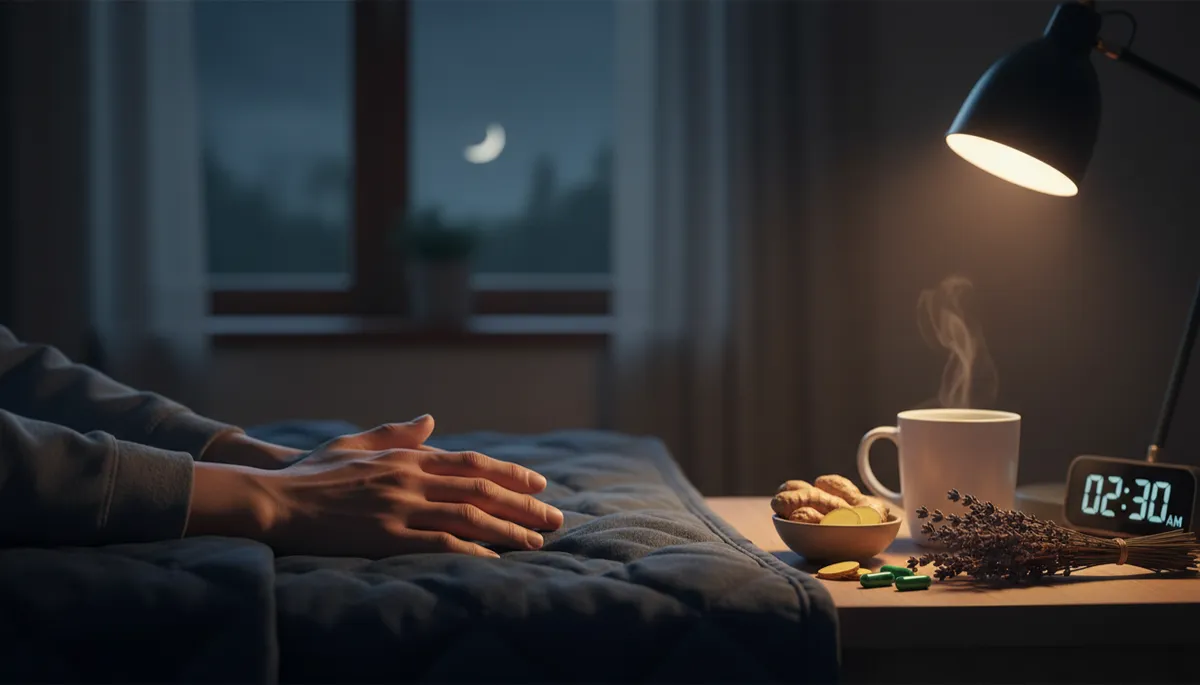
Reduced Movement also affects circulation. When you stay in one position for a long time, blood flow can become less efficient around already sensitive joints. Add the natural drop in body temperature as you drift towards sleep, and tissues may tighten, making Arthritis Pain feel sharper. Many people describe waking in the early hours with hands that feel wooden or knees that protest every small shift under the duvet.

Gentle touch and awareness can reveal how stillness changes joint comfort.
What Can Actually Help (evening routine, gentle movement, natural supports)
At Nature’s Pure Love, we often meet people who feel they must simply “put up with” Nighttime Flare-ups. While there is no magic switch, small, consistent choices can soften the edges of pain and help your body feel more supported overnight.
Create a calming evening rhythm: Aim to wind down at least an hour before bed. Dim lights, reduce screens, and allow your nervous system to settle. Stress can amplify pain signals, so a gentle cup of herbal tea, quiet reading, or soft music can be surprisingly powerful.
Include gentle movement: Light stretching, slow joint circles, or a short, relaxed walk around the house can encourage circulation and keep joints from “locking in” before you sleep. Think of this as oiling the hinges before you close the door for the night.
Use warmth or coolness mindfully: A warm compress, bath, or heated wheat bag can ease stiffness for many people, while others prefer a cool pack to calm hot, swollen joints. Always protect your skin and follow medical advice, especially if you have reduced sensation.
Explore Natural Pain Relief supports: Gentle massage oils, relaxation practices, breathing exercises, and soothing self-care rituals can help the body shift from “fight and brace” into “rest and restore”. These approaches are not a replacement for medical treatment, but they can sit alongside it, offering comfort and a sense of agency.
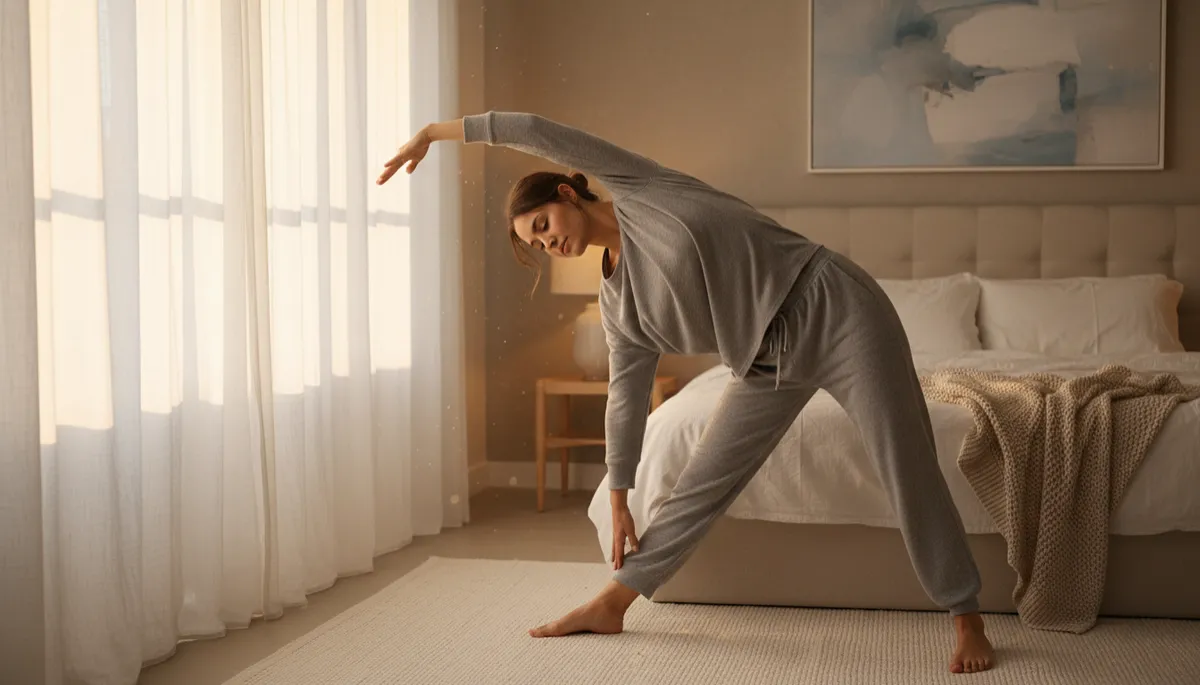
Simple pre-bed stretches can reduce stiffness and support more restful sleep.
When to See a Doctor
Respecting medical guidance is central to how we work at Nature’s Pure Love. While lifestyle and complementary approaches can be deeply supportive, they do not replace professional assessment. It is important to speak with your GP or specialist if:
Your Arthritis Pain suddenly worsens or changes in character.
You notice significant swelling, redness, heat, or fever.
Nighttime Flare-ups are regularly disturbing your sleep and mood.
Pain is limiting your ability to manage daily tasks or enjoy life.
A medical professional can check for underlying issues, review your medication, and help you understand what is happening in your joints. From there, complementary support can be woven in more safely and effectively.
If you would like gentle guidance in creating an evening routine that honours your body’s signals, Nature’s Pure Love offers holistic education and coaching designed to sit alongside your existing care. Many people find that learning simple mind–body tools, such as soothing self-talk and relaxation practices drawn from neuro-linguistic programming (NLP), helps them relate to their pain in a calmer, more empowered way. You can explore an introductory NLP-informed resource and, when you feel ready, book a FREE Discovery Call to talk through your options in a safe, no-pressure space.