Chronic Stress and Joint Pain: A Workplace Guide
Workplace Wellness, Stress Management, Joint Health
The Hidden Link Between Chronic Stress and Joint Inflammation: What Businesses Need to Know
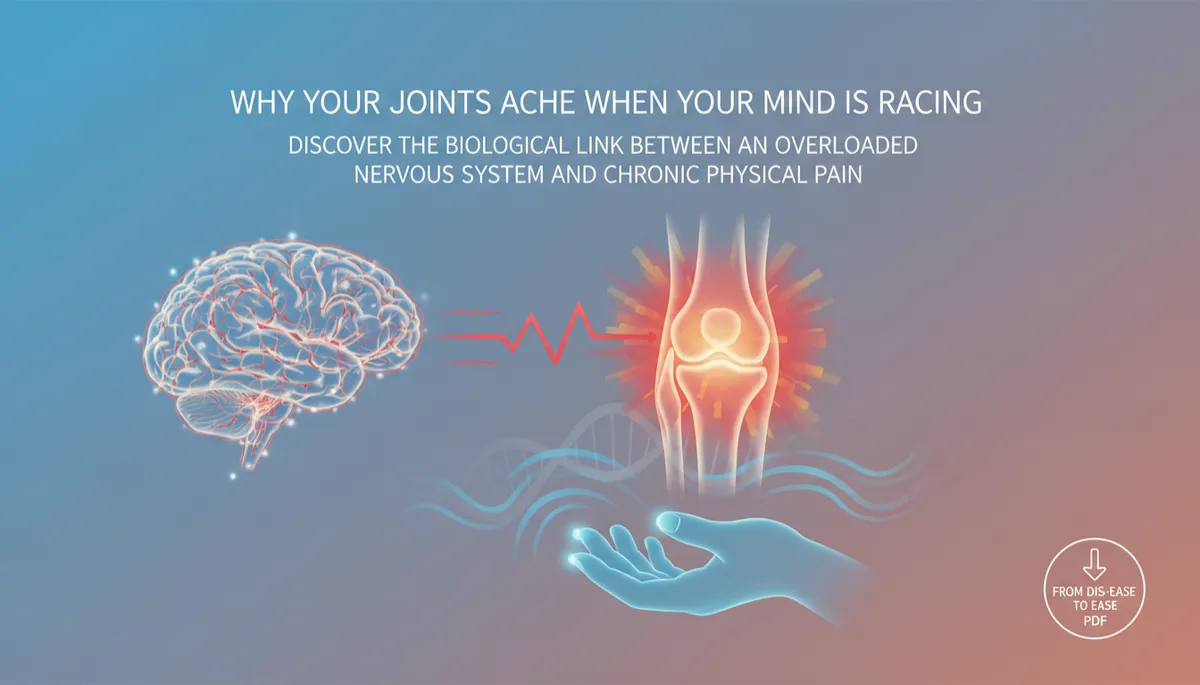
Why your joints ache when your mind is racing. Discover the biological link between an overloaded nervous system and chronic physical pain.
When Workplace Stress Shows Up in Your Joints
In many organisations, stress is still treated as a purely mental challenge: something you manage with resilience training, time management, or another productivity tool. Yet for your people, stress is deeply physical. It is the stiff neck before a client pitch, the aching knees after back-to-back calls, the flare-up of arthritis during a high-pressure deadline. At Christina’s practice, we see this every day: when the nervous system is overloaded, the body often speaks through the joints first.
For businesses and agencies, understanding this mind–body link is no longer a “nice to have.” Chronic pain and inflammatory conditions are major drivers of absenteeism, disengagement, and quiet quitting. Supporting joint health is not just a medical issue; it is a strategic wellbeing and performance priority.
The Science: How Chronic Stress Fuels Inflammation and Arthritis
To see why racing minds often lead to aching joints, we need to start with the stress response. When a deadline looms or a client email lands badly, your brain reads this as a potential threat. The hypothalamus sends an alarm signal through the nervous system, triggering the adrenal glands to release stress hormones, including cortisol and adrenaline. In short bursts, this is adaptive and helpful. It sharpens focus and mobilises energy so you can respond quickly.
The problem for modern professionals is not the occasional spike; it is the constant drip. When high demands, digital overload, and emotional pressure become the norm, cortisol levels stay elevated for long periods. This is where the trouble for your joints begins. Cortisol is designed to regulate the immune system, but under chronic stress it can become dysregulated, sending confusing signals that actually promote inflammation instead of calming it.
In this state, the body produces more pro-inflammatory molecules called cytokines. These chemicals circulate through the bloodstream, and in people who are already vulnerable—because of genetics, old injuries, or conditions like osteoarthritis or rheumatoid arthritis—they can intensify swelling and pain in the joints. What started as an email from a demanding client can end the day as a painful flare in someone’s hands, hips, or knees.
📌 Key Takeaway: Chronic stress keeps the body in “threat mode,” pushing cortisol and immune signals out of balance and creating a biochemical environment where joint inflammation thrives.
Bridging Physical and Emotional Wellness in the Workplace
Most wellbeing programmes still separate “mental health” from “physical health.” Meditation apps sit in one box, ergonomic chairs in another, and medical benefits in a third. But your employees’ nervous systems do not recognise those boundaries. Emotional strain—like feeling undervalued, unsafe to speak up, or constantly behind—registers in the body as a physical threat. Muscles tighten, breathing shallows, and joints bear the brunt of that tension day after day.
When we talk about moving from “dis-ease” to ease, we are talking about more than symptom relief. We are talking about helping the body and mind return to a state where safety is the default, not the exception. This is the essence of Christina’s work and the focus of the From Dis-Ease to Ease resource, which you can share with your teams as a deeper guide to this approach. By supporting emotional regulation, you simultaneously support physical resilience—especially in vulnerable areas like the joints.
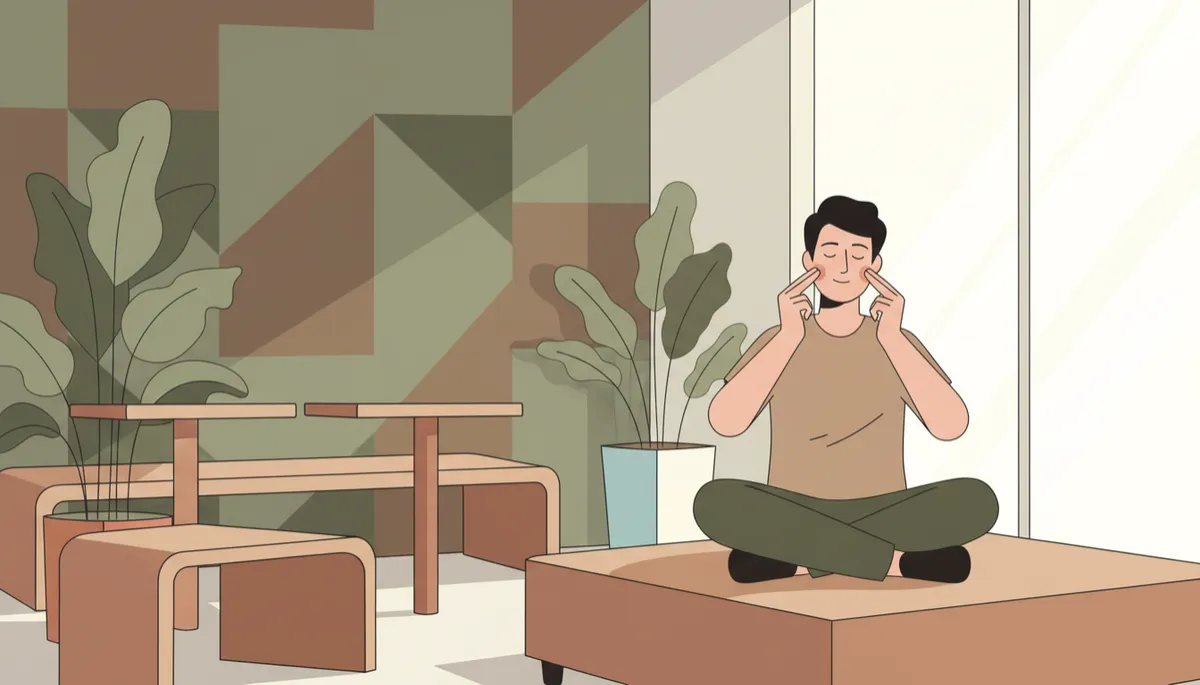
Brief nervous-system resets during the workday can lower stress chemistry that feeds joint pain.
Three Simple Daily Practices to Signal Safety to the Body
The good news for busy teams is that you do not need hour-long classes or complex routines to begin shifting the stress–inflammation cycle. The nervous system responds powerfully to small, consistent signals of safety. Below are three simple practices, including EFT tapping concepts from Christina, that you can integrate into your culture or share with individuals as part of your wellbeing communications.
1. The 60-Second Grounding Breath for Overloaded Minds
When the mind is racing, breathing becomes shallow and rapid, signalling threat to the body. A brief reset can interrupt this pattern and start to dial down cortisol. Encourage your people to use this between meetings, before difficult conversations, or any time pain begins to spike.
Place both feet flat on the floor and notice the contact with the ground.
Inhale slowly through the nose for a count of four, feeling the ribs expand.
Exhale gently through the mouth for a count of six, as if fogging a mirror.
Repeat for 6–8 breaths, silently saying, “Right now, I am safe enough.”
This extended exhale activates the parasympathetic nervous system—the body’s built-in “rest and restore” mode—which can gradually reduce the inflammatory cascade driven by chronic stress.
2. Micro-Movements to Unload the Joints and Calm the Brain
Stillness at a desk is not neutral for the body; it is a form of stress, especially for already inflamed joints. Gentle, frequent movement sends a powerful signal of safety and support to the tissues around the joints, while also giving the brain a short, restorative break from cognitive load.
Every 45–60 minutes, stand up and roll the shoulders slowly 5–10 times in each direction, noticing any areas of tension without judgement.
Gently circle the wrists and ankles, keeping movements small and pain-free, as if you are sending kindness into each joint.
If standing is not possible, press your feet into the floor and lightly engage the thigh muscles for 5–10 seconds, then release.
These micro-movements improve circulation, support joint lubrication, and give the nervous system a clear message: “I am not trapped; I can move; I am safe.” Over time, that message can help reduce the intensity and frequency of pain flares.
3. EFT Tapping: Reassuring the Nervous System with Christina’s Approach
Emotional Freedom Techniques (EFT), often called “tapping,” combine gentle touch on specific acupressure points with focused, honest language about what you are feeling. Christina uses EFT as a practical way to help clients move from dis-ease—both emotional and physical—towards genuine ease in the body. For stressed professionals, it becomes a discreet, science-informed tool to interrupt the stress–inflammation loop in real time.
A simple workplace-friendly sequence might look like this:
Gently tap the side of your hand (below the little finger) with the fingertips of your other hand. Silently or softly say, “Even though my mind is racing and my joints are aching, I am open to feeling a little more at ease.”
Move through points such as the eyebrow, side of the eye, under the eye, and collarbone, tapping lightly 5–7 times on each point. At each point, name your experience: “This pressure,” “This worry,” “This pain in my knees,” “This fear I will not get it all done.”
After a round or two, introduce a gentle reframe: “My body is trying to protect me,” “I am listening now,” “I am allowed to feel safer in this moment.”
Research suggests that EFT tapping can reduce cortisol levels and calm activity in the parts of the brain associated with fear and alarm. In Christina’s work, clients often report not only emotional relief but tangible shifts in physical symptoms, including joint stiffness and pain. For organisations, introducing tapping as an optional tool—perhaps through short guided sessions or links to resources—signals that you recognise the full spectrum of stress, from thoughts to tissues.
💡 Pro Tip for Leaders: Normalise these practices by modelling them yourself. A simple “I am taking two minutes to reset my nervous system before our next discussion” can give others permission to care for their own bodies too.
From Dis-Ease to Ease: A Practical Next Step for Your Team
If you recognise your people in this description—high-performing, highly committed, and quietly living with stress-related pain—this is an ideal moment to deepen your support. Christina’s “From Dis-Ease to Ease” PDF expands on the ideas in this article, offering accessible explanations and guided reflections your employees can use to explore their own stress–body patterns. Sharing it internally can be a simple, low-cost way to start a new kind of wellbeing conversation: one that honours both the emotional and physical realities of modern work.
As you refine your wellbeing strategy, consider how each initiative answers a core question for your people’s nervous systems: “Am I safe?” When the answer is “yes”—in how workloads are managed, how feedback is given, and how pain and vulnerability are met—cortisol can settle, inflammation can ease, and joints can begin to recover. This is not just about fewer sick days; it is about building a culture where humans can think clearly, move comfortably, and contribute sustainably.
Bringing It All Together for Your Organisation
Chronic stress and joint inflammation are not separate problems to be solved in separate silos. They are two expressions of the same underlying imbalance in the nervous system. For businesses and agencies, the opportunity is clear: by embracing approaches that calm the mind and support the body—breathwork, micro-movements, and EFT tapping among them—you can help your teams move from dis-ease to genuine ease, both at their desks and in their daily lives.
The next time someone on your team mentions aching joints after a stressful week, consider it valuable feedback from the system, not just a personal problem to be managed. Their body is telling you something about the culture, the pace, and the emotional climate of work. When you listen—and respond with practical tools, compassionate policies, and resources like the From Dis-Ease to Ease PDF—you are not only reducing pain. You are building a healthier, more sustainable organisation from the inside out.