
The Power of Mind-Body Healing: Shaping Your Health through Thought, Action, and Emotion
The Power of Mind-Body Healing

In a world where stress, trauma, and anxiety seem woven into everyday life, understanding how our minds influence our bodies offers a profound path to healing. By shifting our thoughts, actions, and emotions, we can impact our health in powerful ways. Below, we’ll explore key insights on mind-body connection, practical steps to reshape our mental patterns, and how the practice of Healology can guide us to holistic wellness.
Keypoints
Mind-Body Connection:
Thoughts, emotions, and actions influence not only our mental state but also our physical health.
Neuroscience reveals that repeated thoughts form neural pathways, creating patterns that shape our "personal reality."
Influence of Thoughts on Biology:
Positive thoughts (like joy) release hormones that relax the body, while negative emotions (like fear) trigger stress hormones.
The body often reacts to imagined events as if they were real, showing the power of our thoughts over our physical state.
Mind-Body Healing with Healology:
Healology combines neuroscience, psychology, and epigenetics to identify root causes of pain—both physical and emotional.
Techniques like affirmations, visualisation, and mindful breathing help shift negative thought patterns, allowing for holistic healing.
Emotional Pain’s Physical Impact:
Emotional trauma activates brain pathways similar to those triggered by physical pain, which can lead to chronic physical symptoms.
Recognising and processing emotional pain is essential for relieving related physical discomfort.
Power of Intention and Attention:
Intentional focus on well-being supports healing; practices like daily affirmations, mindful breathing, and setting intentions help align mind and body.
Practical Tools for Healing:
Healology offers tools to change thought patterns, reduce stress, and encourage positive emotional states.
Techniques like epigenetic testing and wellness coaching provide insights for personalised healing.
Taking Charge of Wellness:
By aligning thoughts, actions, and emotions, we can positively impact our health and biology.
Healology empowers individuals to harness self-healing potential, creating a path to resilience and balanced well-being.
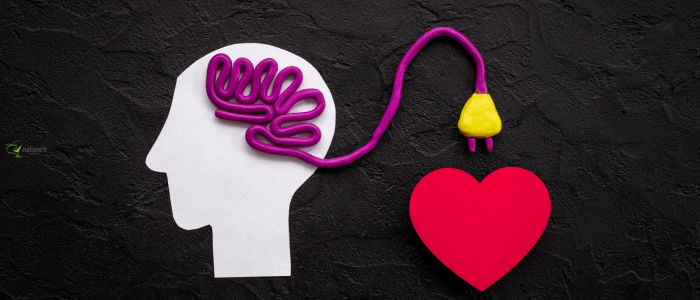
1. How Your Mind Shapes Your Reality
The way we think, feel, and act shapes not just our mental state but our physical well-being. The mind and body are not separate; they work together, influencing each other every moment. Neuroscience shows that every significant life event comes with an emotional tag—these emotions embed in the brain, creating neural circuits related to that event. The more we dwell on an event, emotion, or worry, the stronger these neural pathways become. Over time, our recurring thoughts and emotions create patterns that define how we feel, think, and behave.
How to Shift These Patterns:
Realising the impact of our thoughts can be empowering. By choosing to change the way we think, we can form new neural pathways, allowing for more positive and healing thought patterns. This transformation, though challenging at first, allows us to reshape our "personal reality" and can initiate profound changes in our physical health.
2. Thoughts Become Feelings; Feelings Become Biology
The brain is deeply connected to our physical state. Imagine a joyful moment: as you recall it, your body releases “happy” hormones—endorphins, dopamine, oxytocin—that naturally relax you and even slow your heart rate. This powerful influence works both ways; the body responds to both real and imagined events with nearly the same impact.
For instance, feelings of fear or anxiety trigger a release of cortisol and adrenaline, the body’s natural stress hormones. This response can increase heart rate, create tension, and heighten alertness, even if there’s no real threat. When we focus on painful or stressful memories, the brain reinforces circuits related to these emotions, creating a cycle that can lead to chronic physical discomfort.
Changing the Cycle:
Focusing on positive experiences and cultivating feelings like gratitude and joy can help rewire these emotional circuits, reducing stress hormone production and encouraging a more relaxed, balanced state.
3. Mind-Body Healing with Healology
Healology is a practice that bridges mind and body, integrating insights from various sciences—including neuroscience, psychology, and epigenetics—into practical techniques for healing. This science-backed approach offers tools and techniques that help us identify the root causes of pain or discomfort, whether emotional or physical.
Healology encourages us to shift focus from negative to constructive thoughts. For instance, repeating empowering affirmations, visualising a peaceful state, or simply focusing on calm breathing helps override automatic responses to stress or pain. Healology supports the body’s natural healing processes and complements traditional treatments, enhancing overall well-being.
Taking the First Step with Epigenetics:
An epigenetic test can provide a clearer view of individual health needs. By looking at how our environment and experiences impact our genetic expression, we gain insights that allow us to tailor lifestyle changes for lasting health improvements. Healology practitioners often use this testing as a roadmap to develop a targeted, effective approach to healing.
4. How Emotional Pain Manifests Physically
The mind’s response to trauma or stress can lead to physical symptoms. In fact, emotional pain activates similar brain pathways as physical pain, so much so that stress-related discomfort can mirror the pain of an injury. When painful memories or unresolved emotional injuries remain, they can express themselves through physical symptoms, like chronic pain or fatigue. While physical injuries are visible and often met with sympathy, emotional pain is invisible, leading many to ignore it. Yet acknowledging and validating emotional pain is crucial in healing both mind and body.
Healing Emotional Pain:
By addressing these hidden emotional wounds, we empower ourselves to reduce pain without medication. Practising mindfulness, keeping a journal, or working with a wellness coach can reveal hidden stresses, allowing us to process and let go of long-held negative emotions.
5. The Power of Intention and Attention
Achieving coherence between the mind and body requires intention and attention. Healology emphasises that our focus shapes our reality, which means placing our attention on healing and well-being is crucial to achieving it. Just as we would dedicate time to physical exercise, training the mind through mindfulness, visualisation, and intentional thought patterns can help the body to heal and thrive.
Practical Steps to Align Mind and Body:
Daily Affirmations: Use positive affirmations to reinforce self-belief and motivation.
Mindful Breathing: Focus on breathing exercises to calm the mind and relax the body.
Visualisation: Picture yourself in a peaceful or joyful state to encourage positive feelings.
Set Clear Intentions: Begin each day with an intention for what you wish to achieve emotionally or mentally, reinforcing this with each action you take.
6. Embracing Healology for Holistic Health
Healology blends science and intuition, focusing on the vast human potential for self-healing. This approach invites us to look within and reconnect with our natural instincts, nurturing mind and body in harmony. Whether you’re addressing physical pain, chronic stress, or a general desire for wellness, Healology offers a supportive path for transformation that aligns beautifully with Nature’s Pure Love’s commitment to holistic well-being.
Tips for Mind-Body Healing with Healology:
Observe Your Inner Dialogue: Recognise patterns of self-criticism or fear. Practice changing your internal narrative to a more supportive and positive tone.
Work with a Wellness Coach: A skilled coach can guide you in understanding unconscious emotions and setting intentions for health and happiness.
Unlearn and Relearn: Adopting new beliefs and behaviours requires time and persistence. Healology provides tools for unlearning old patterns, replacing them with habits that foster growth and healing.
Final Thoughts: Taking Charge of Your Wellness
At the heart of mind-body healing lies the principle that our well-being is deeply personal, shaped by the unique interplay of our thoughts, actions, and emotions. By aligning these, we’re not just shifting our mindset—we’re also impacting our biology in ways that foster healing and resilience. Healology empowers us to explore and utilise our vast potential for self-healing, helping us live with a sense of balance, harmony, and vitality.
With dedication and the right support, you have the power to take charge of your wellness, turning intention into transformation. Embrace the practice, focus on what you want to achieve, and take the first step towards a healthier, more fulfilling life. As the saying goes, “Listen to your body when it whispers, or you’ll be forced to hear it scream.” Take the time to listen and nurture yourself today, and witness the transformative power of the mind-body connection.